
Love is the end game of life. Or Joy, Or Peace. There are many different words we use to describe the experience I am referring to. We know them when we feel them. They are often powerful, but always good.
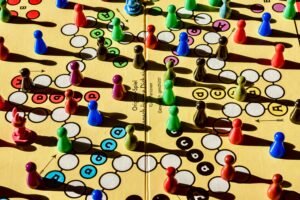
It’s those feelings that come when we’re winning the game of life. They are so different than the feelings we feel when we are losing. Feelings like shame, hate, fear and suffering. We don’t like the feelings that come with losing, so we often do things to push them out of our conscious minds.
For most of us, we do a great deal of coping, and a great deal of losing. We spend too much of our time, day after day, feeling upset, anxious, irritated, resentful. The people we are supposed to love, and claim to love, are the people we spend much of our lives hurting, tolerating, fighting, and feeling vulnerable around.
Sure there are times when we feel the love, but if we are really honest with ourselves, we aren’t spending enough of our lives feeling the love.
I’ve spent the better part of my life intruding into the lives of people who spend the better part of their lives in conflict with the people they love. And trying to help them lose less and win more.
Winning the game is being able to let go of the beliefs, feelings and actions that cause you to lose. To go through your life thinking people don’t care about you, or are out to get you, or do things to spite you. Spending so much time feeling angry, or apathetic, or afraid of failure. And then not saying what we need to say, or withdrawing into a world of addiction, or sitting around watching TV.
The end game, which I’ll refer to as love for now, thanks to the Beatles, should be what we’re all striving for. To fight for it in the right way. The way that ends up with the most love. You loving them and them loving you.
It means not walking away from the tough conversations, and learning to reject beliefs that are distorted or wrong. Sometimes it means reaching out to others who can help us see how we are losing the game. Someone who will challenge us to think differently about our lives, and to do things that will increase the chances of our winning. Of our loving.
Since most of us have been raised believing in the zero sum game, with its winners and losers, we need to learn that life is about the win-win games. It’s about maximizing the moments when we’re feeling the love. Getting the most out of our lives, today, each day, as much as we can.
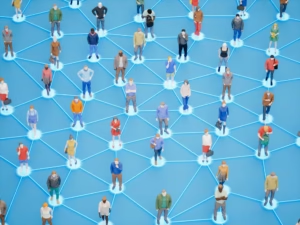
We win when we, and our loved ones, are able to let go of the beliefs and behaviours that result in us spending any more time than necessary in conflict with those we should be in love with. Or we want to be in love with. Or just to get along with. Some call these people family, friends, partners, neighbors.
Let’s face it. Life is just better when we’re feeling the love. And the one thing necessary to win the game. You guessed it. Empathy. To be continued….