The Game of Life
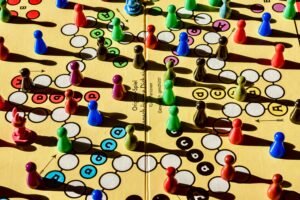
We are all playing the game of life, but the rules that shape our behaviour are not always fixed. How do competition, cooperation, culture, and power influence the way we live? And what happens when we decide to change the rules?

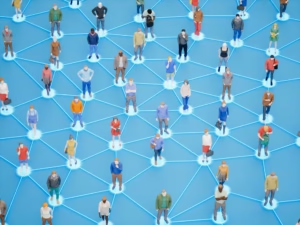
We are all playing the game of life, but the rules that shape our behaviour are not always fixed. How do competition, cooperation, culture, and power influence the way we live? And what happens when we decide to change the rules?

When a young person refuses therapy, the answer shouldn’t automatically be that nothing can be done. Consent is not always a starting point; sometimes it is something that develops through trust, understanding, and meaningful connection. Drawing on decades of clinical experience, this article explores how therapists can move beyond a simple yes-or-no understanding of consent and help young people become willing participants in their own change.

Human beings need to belong, but belonging can become dangerous when it demands loyalty at the expense of compassion, independent thought, or connection with others. From family conflict and parental alienation to online communities and global tribalism, this article explores how the need to belong can turn into exclusion and hatred—and why we need forms of belonging that unite us without requiring us to dehumanize anyone else.

How do you help a teenager whose explosive behaviour has taken over family life? Through a challenging family case, this article explores the importance of changing the patterns that reinforce behaviour while helping young people develop accountability, emotional tolerance, and respect for boundaries. At the heart of meaningful change is a powerful realization: “I’m not entitled to their yes.”

What can a little dog named Maggie teach us about psychotherapy? Through her reactions to anger, vulnerability, and perceived danger, this article explores the importance of looking beneath defensive behaviour. Drawing on decades of clinical experience, it examines how therapists can remain compassionate and steady when clients become angry or resistant, recognizing that the bark is not the whole story.

From the violence of the Roman Colosseum to the excitement of today’s baseball stadiums, what we celebrate as a society shapes what future generations learn to admire, imitate, and accept. This article explores how culture influences our values, emotional development, and understanding of strength, competition, and human connection—and the responsibility we have for the world we create for our children.

What happens when childhood no longer has an off switch? As social media and smartphones bring the pressures of the school playground into every corner of a young person’s life, the opportunities to disconnect, recover, and build emotional resilience are disappearing. This article examines how our changing digital environment is reshaping childhood, relationships, and the emotional development of the next generation.

Why do some men experience disagreement as disrespect? Drawing on decades of experience working with teenagers involved in violence and serious behavioural problems, this article explores how shame, vulnerability, and status influence the way men respond to conflict. It examines how emotional maturity begins with learning that disagreement is survivable—and that being challenged does not mean being humiliated or diminished.

What does it mean to be truly empowered? This article explores how emotional discomfort is increasingly mistaken for victimization and disagreement for harm. It argues that real emotional maturity means learning to tolerate differences, navigate conflict, and remain connected even when we disagree.

What happens when a therapist allows themselves to show genuine emotion in the therapy room? Through a powerful moment with a client, this article challenges traditional ideas about therapeutic neutrality and emotional self-disclosure. It explores how authenticity, empathy, and emotional presence can deepen connection and help clients access feelings they may have spent years suppressing.

This article challenges traditional ideas of masculinity and introduces “civic masculinity”—a model rooted in emotional regulation, cooperation, self-restraint, and mutual respect. It explores how men can move beyond dominance and power struggles toward healthier relationships and a more constructive expression of strength.

Belief systems work because they’re shared. They give people a common language. A way of understanding the world. A way of knowing what matters.

The modern conversation about boundaries often treats them as static lines that individuals simply announce. My boundary. Your boundary. My right to say no.

We destroy our idols by refusing to let them have boundaries. At the beginning, there is admiration. Talent, presence, something that moves us. As that

“Don’t fight at home. Fight in front of me.” That’s something I say to many of the couples and families I work with. I say

I grew up in a house with two working parents and six kids. My father went to work and came home to dinner, television, and

We’ve created a world where children can access anything, at any time, in complete isolation. There is no filter, no pacing, no adult presence to help make sense of what they’re seeing. Just repeated, uncontained exposure.

At the beginning of therapy, particularly when an adolescent is involved, I tell clients something that often surprises them. I let them know that if

My mother was an opera singer. Music was part of how she lived. There was one composer she would not listen to: Richard Wagner. Her

Every Friday night, it was the same scene. My father would say the blessing over the bread. A quiet moment. Ritual. Tradition. Then, instead of

He was sixteen and a half when I met him. He had been sent to Canada from Syria to live with his mother. His father

Love is the end game of life. Or Joy, Or Peace. There are many different words we use to describe the experience I am referring

The truth will set you free. Or so they say. They also say the truth hurts. Regardless of what the truth does to us, it

We all have a sense of who we are. What kind of person we are. This is commonly referred to as the “ego”. There are
The office is close to all three subway lines: Museum Station (2 minute walk), Wellesley Station (9 minute walk) and Bay Station (9 minute walk). Street and lot parking available.
© 2017-2026 PEACE Psychotherapy. All rights reserved.