I’ve spent most of my life working with children, teenagers, and families.
Over the years, I became very good at helping people develop more self-awareness, more compassion, more accountability, and more emotional regulation. Helping them understand that feelings matter, but feelings alone cannot determine behaviour. Helping them tolerate discomfort instead of impulsively reacting to it.
For a long time, the problems still felt recognizably human.
Then I started noticing something that deeply concerned me.
Up until then, if children had a difficult day at school, eventually the day ended. They went home. There was distance from the social world they had been navigating. There was space for the nervous system to settle.
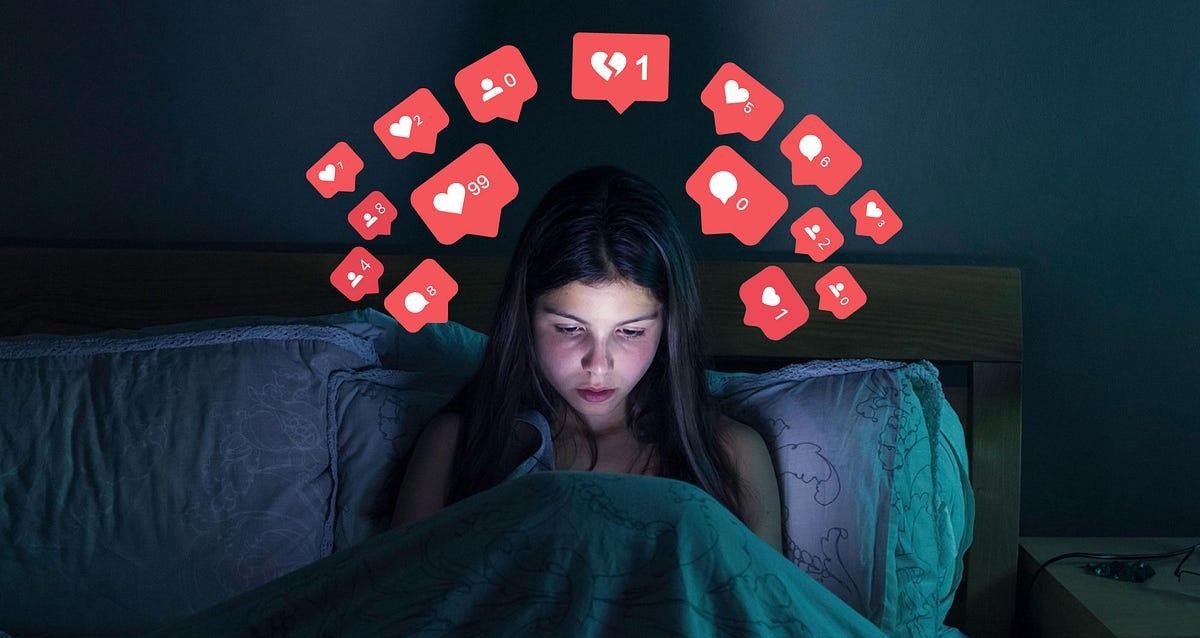
Now the playground follows children home through phones, servers, group chats, and social media.
I started seeing teenagers sitting alone in dark bedrooms while the entire social world of their school remained active around them.
Many were connected constantly. Many were also profoundly alone.
And the social dynamics changed.
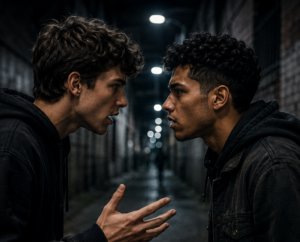
Humiliation became public. Persistent. Replayable. Witnessed by hundreds of people simultaneously.
Access became obligation. Visibility became availability. Delayed response became
rejection. Silence became social meaning.
School no longer ended.
At the same time, the social and psychological environments children are growing up inside are increasingly being shaped less by families, schools, neighbourhoods, and public institutions, and more by corporations whose business models depend on capturing and holding attention.
Infinite channels. Infinite content. Infinite stimulation. Infinite algorithms feeding people exactly what keeps them emotionally engaged.
From what I see, we are systematically reducing children’s exposure to many of the experiences that help build resilience: frustration, boredom, awkwardness, disagreement, limits, discomfort, and the ability to tolerate difficult emotions without immediately escaping, reacting, or seeking validation.
I think many young people are becoming more emotionally fragile while simultaneously being exposed to unprecedented levels of social comparison, humiliation, pressure, and emotional activation.
We have radically altered the developmental environment of childhood in real time.
And I’m not convinced we fully understand the psychological consequences of what we are doing.